Annual planning calendar template
Help teams organize the most critical work throughout the year. Map out key initiatives, deadlines, and milestones while keeping everyone aligned on shared objectives and timelines.
BEST FOR
Project Management
Operations
KEY FEATURES
Project Management
Project Planning
Strategic Planning
What is an annual planning calendar template?
An annual planning calendar is a tool for visualizing key activities, projects, and goals throughout the year. It serves as the foundation for organizing long-term initiatives and ensures team alignment by giving everyone a shared view of what needs to happen and when.
The annual planning calendar template turns abstract plans into concrete timelines to better coordinate resources and identify conflicts, so you maintain momentum throughout the year. This universal, visual approach to annual planning keeps teams focused on their biggest priorities while adapting to changing circumstances.
Project planning framework
The annual plan template is a structured project planning framework that supports proactive decision-making throughout the year. Instead of reacting to deadlines as they approach, teams can:
Anticipate busy periods
Strategically allocate resources
Prioritize and time decisions wisely
Prevent the chaos that comes with poor coordination by using this framework for stress-free resource planning. By establishing clear expectations upfront, teams focus their energy on execution rather than constantly adjusting their approach.
Progress tracker
The template is a powerful progress tracker that provides ongoing visibility into what's planned, currently in progress, or at risk of falling behind. Give teams a way to quickly assess whether they're on track to meet their annual goals and identify areas that need additional attention or resources.
This kind of transparency addresses challenges earlier and maintains accountability across the organization, so you can celebrate more wins.Regular check-ins against the annual planning calendar encourage teams course-correct before minor issues become major problems.
When should you use an annual planning calendar?
Annual planning calendars are best to use when coordinating work that extends beyond a few months or involves multiple teams. These templates are extremely valuable for campaign planning, where marketing teams must align promotional activities with product launches, seasonal trends, and budget cycles.
Also, product teams use annual planning calendars for product roadmapping new features and releases, while operations teams rely on them for budgeting, hiring, and infrastructure planning.
An all-encompassing template is essential when different departments must work together on shared initiatives. For example, a new product launch might require coordination between marketing, sales, engineering, and customer support teams.
Without a shared, universal calendar, different teams might schedule conflicting activities or miss important project dependencies.
The annual planning calendar template helps everyone see how their work connects to broader company objectives, ensuring that strategic planning translates into coordinated action.
Key elements of an annual planning calendar
Every effective annual planning calendar includes several core components that work together to create a comprehensive planning framework. These elements include:
Budget: Financial resources allocated to different initiatives throughout the year, helping teams understand spending constraints and approval processes.
Timeline: Start dates, significant milestones, and final deliverables that create a structure for the entire year.
Objectives: Strategic goals and OKRs that provide context for decision-making and keep teams focused on outcomes.
KPIs: Success metrics that establish how progress will be measured against annual targets.
Dependencies: Connections between different projects or teams that prevent scheduling conflicts and ensure smooth handoffs.
Risk assessments: Potential obstacles that could derail important initiatives. These should be identified upfront for better planning.
Types of annual planning calendars
Not all annual planning calendars are as effective as the next. Choosing one best suited to your organization’s specific needs and priorities is crucial. Some of the different kinds of annual planning calendars include:
Marketing calendars focus on campaign timelines that align promotional activities that help marketing teams coordinate content creation, advertising spend, and major conference participation throughout the year.
Product calendars prioritize feature development, user research phases, and release cycles to coordinate engineering and design efforts. Product teams use them to balance new feature development with bug fixes and technical debt.
Operations calendars account for budget planning, team expansion, hiring cycles, and infrastructure upgrades throughout the year. Operations teams rely on them to ensure business continuity and strategic growth initiatives.
Sales calendars track quota periods, territory planning, and major client renewals to optimize revenue generation. Sales teams use them to align their efforts with marketing campaigns and product releases.
HR calendars manage recruitment cycles, performance reviews, training programs, and company-wide initiatives. HR teams coordinate these activities to support organizational growth and employee development.
Each type serves a unique purpose for planning while maintaining alignment with overall business objectives and creating a vision for the year ahead.
What does the annual planning calendar template include?
Calendar view
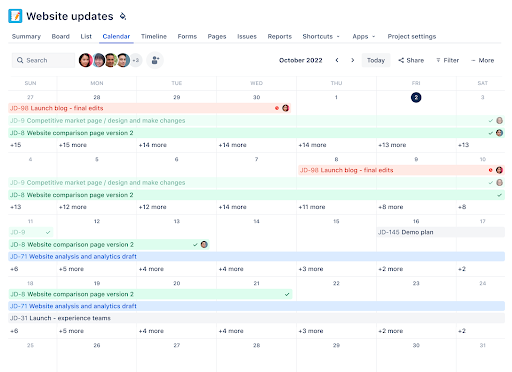
The calendar view in Jira lets you map out key dates, deadlines, and milestones in a clear and easy-to-understand format. Easily filter information by team or project to stay aligned on upcoming events without getting overwhelmed by details that don't affect your immediate work.
Jira also allows you to view unscheduled items on the calendar, displaying tasks without a due date, so you can ensure they get scheduled on time.
Advanced roadmap
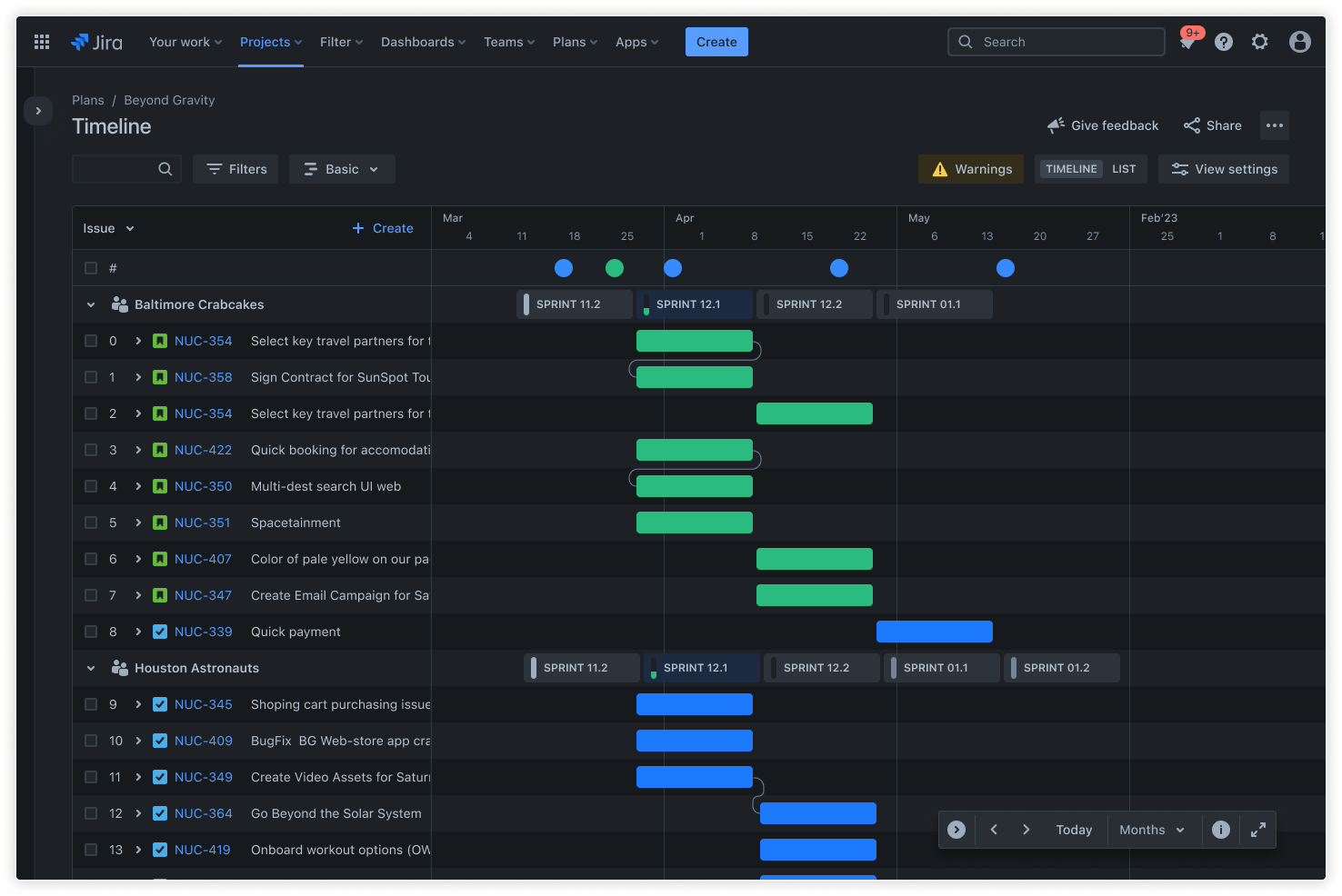
Jira's Advanced Roadmaps feature helps you visualize annual goals across multiple teams simultaneously. You can adjust timelines and dependencies as priorities shift throughout the year, ensuring your plans remain realistic and achievable. This flexibility is crucial for maintaining momentum when unexpected opportunities or challenges arise during project planning.
You can also set up shared project releases in Advanced Roadmaps that span multiple projects, offering a unified view of progress.
Automation
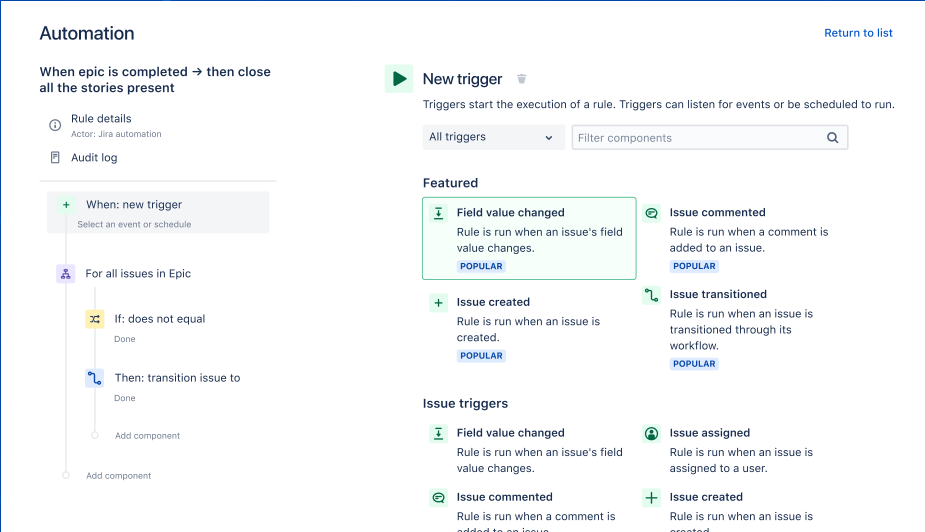
Set up automation rules that trigger reminders for important deadlines or automatically move tasks through different stages of completion. This reduces manual work by handling routine planning actions, freeing up time for more strategic thinking. Automation helps maintain consistency and ensures nothing falls through the cracks during busy periods.
Issues
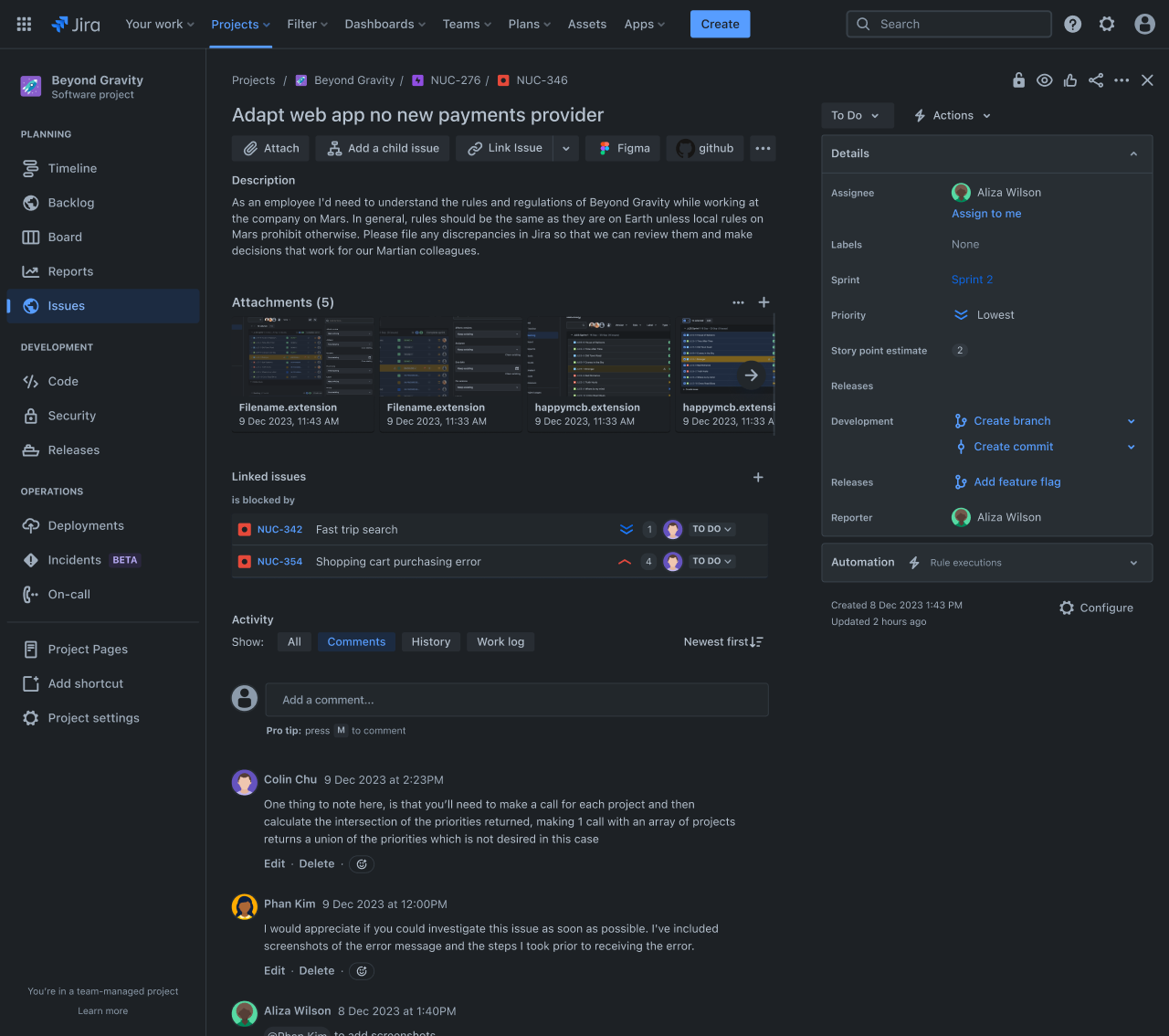
Create and customize issues for initiatives, goals, and important checkpoints throughout your annual plan. Link these issues to epics or larger projects to track progress over time and maintain visibility into how smaller tasks contribute to bigger objectives. This granular approach supports better project management by connecting daily work to annual goals.
How to get started with the annual planning calendar template
- 1
Define your goals
Clarify what you want to achieve across the year and who will be impacted by setting goals. Keep goals specific and aligned with broader business objectives.
- 2
List major milestones
Identify key events, product launches, or hard deadlines that will anchor your annual plan. Include both internal drivers, such as budget cycles, and external factors, like industry conferences.
- 3
Map out timelines
Break larger projects into distinct phases and assign realistic dates to each stage. Ensure timelines account for dependencies and leave sufficient buffer time for unexpected challenges.
- 4
Assign responsibilities
Designate clear owners for each initiative to ensure accountability. Involve team leads to confirm that people have the necessary bandwidth and skills for their assigned responsibilities.
- 5
Review overlaps or gaps
Check your plan for conflicting dates, resource clashes, or periods where teams might be sitting idle. Creating an action plan that addresses these issues upfront prevents common scheduling problems.
- 6
Share and update
Distribute the completed calendar to all stakeholders in a format that's accessible and digestible. Schedule reviews to update the plan as circumstances change and new opportunities emerge.
Related templates
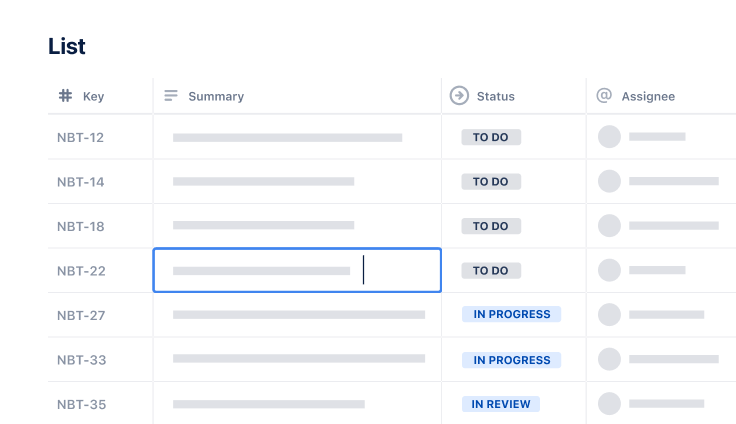
Project Tracking
Task Tracking Template
Organize all tasks within team projects using this task tracking template from Jira.
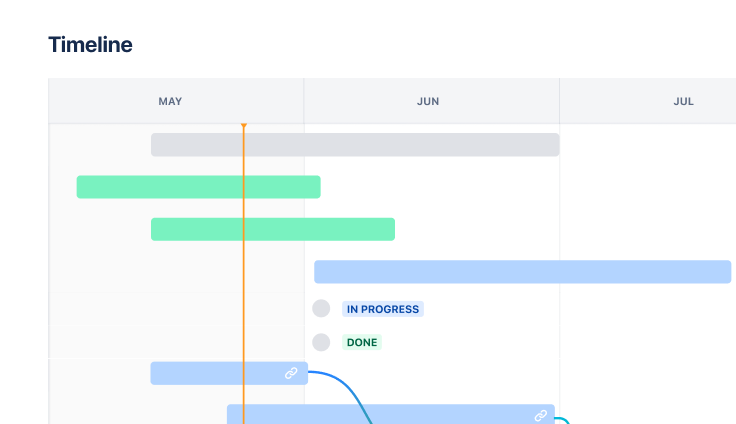
Marketing
Jira project management template
Manage activities for completing a business project.
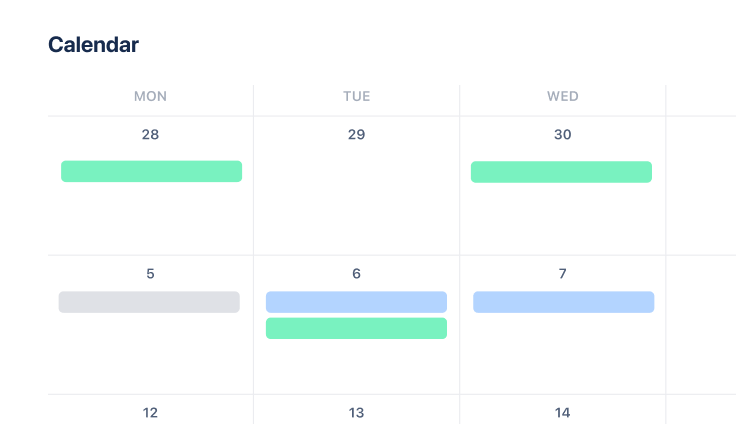
Task & Time Management
Personal task tracker template
Keep personal tasks organized with ease.
Ready to use this free template?
Explore more templates to supercharge teamwork
Empower everyone, on every team. Build, connect, and deliver your biggest ideas seamlessly across Atlassian apps using our complete collection of ready-made workflows.